We build both, so we don't have a horse in this race. We've watched buyers pick the wrong one for the right reasons, usually because nobody laid the two side by side and talked plainly about time, money, and risk. Here's that conversation.
What Each One Actually Is
A spec home (short for “speculative”) is built before it's sold. The builder buys the lot, picks the plan and finishes, pays for construction, and carries the cost and the schedule risk until someone buys it. Most are sold finished or close to it. The price you see is one number that covers the land, site work, house, and builder's margin.
A custom build starts with you. You own the lot or buy one, you work through the plan and selections with the builder, and the house is built to that plan under a construction contract. You pay as it gets built, usually through a construction loan.
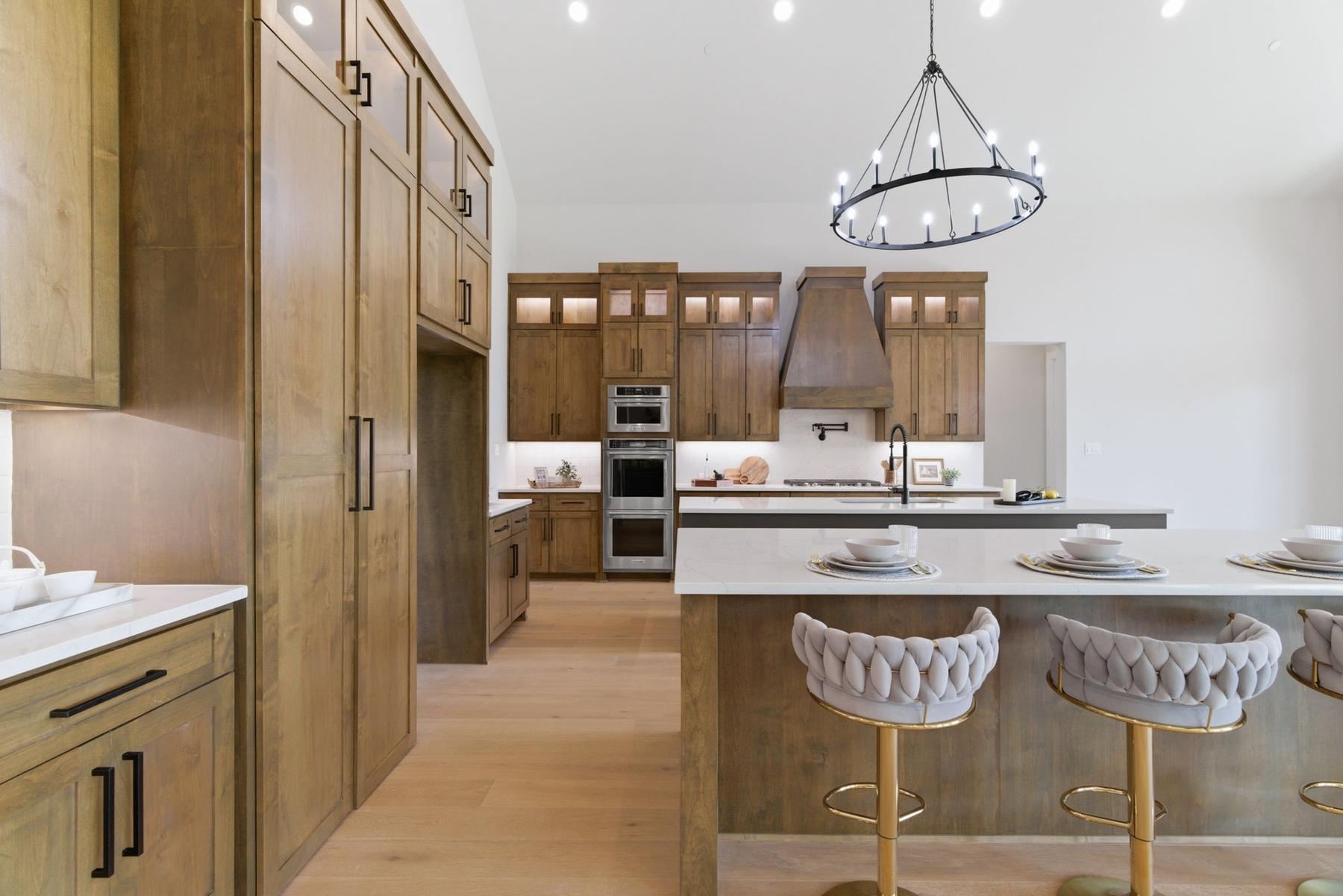
“Spec” doesn't mean cookie-cutter. A well-built spec home can carry the same structure, windows, and finish level as a custom home from the same builder. Our spec home at 2608 Southbay Circle has custom-built cabinetry, natural stone countertops, solid wood interior doors, and Andersen windows throughout. The difference isn't the quality. It's who made the decisions, and when.
Timeline: Weeks vs. a Year or More
This is usually the deciding factor, so start here.
A finished spec home moves on a normal home-purchase schedule. Once you're under contract, the timeline is mostly your lender, appraisal, inspection, and title work. There's no construction left to wait on.
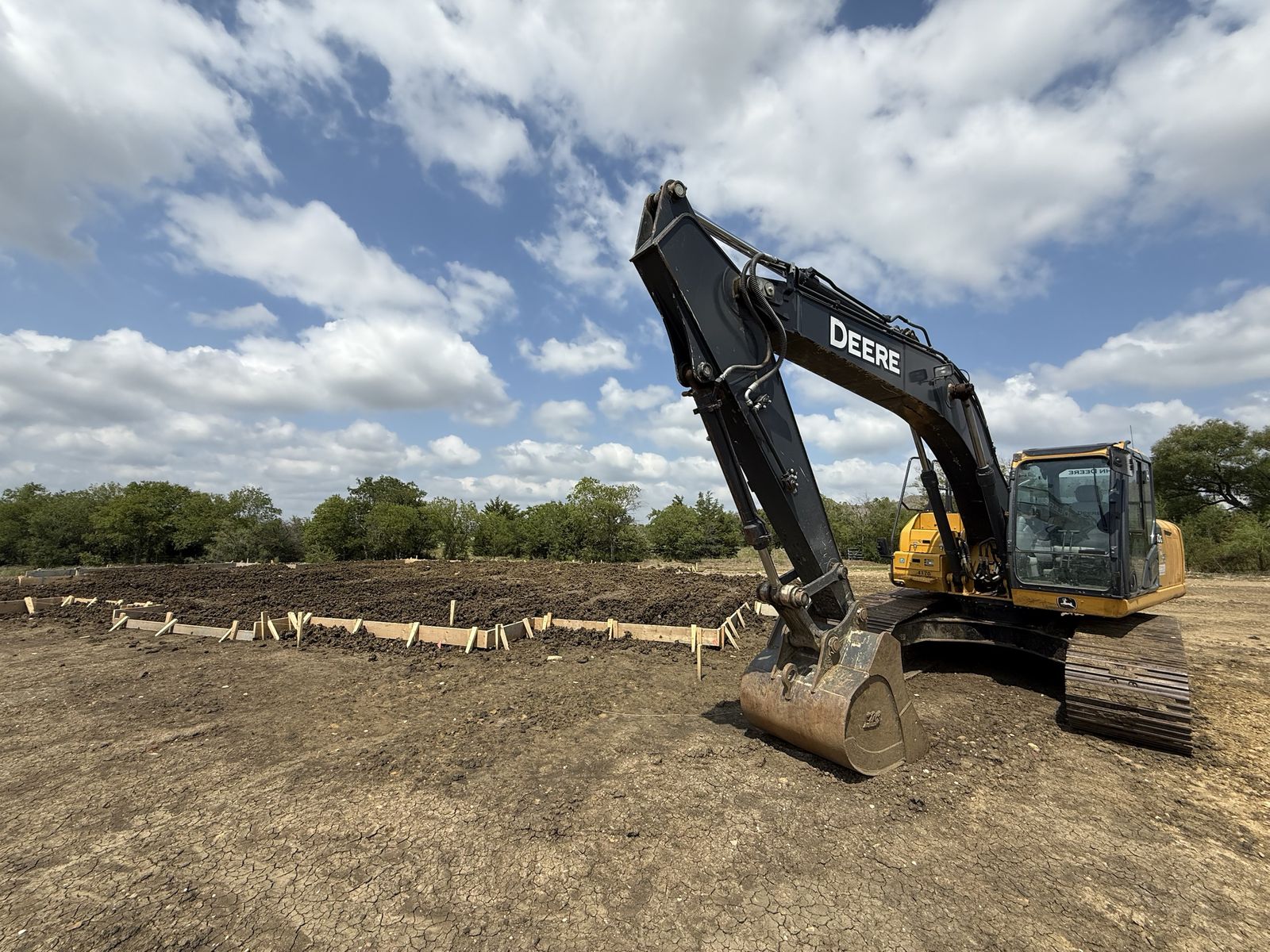
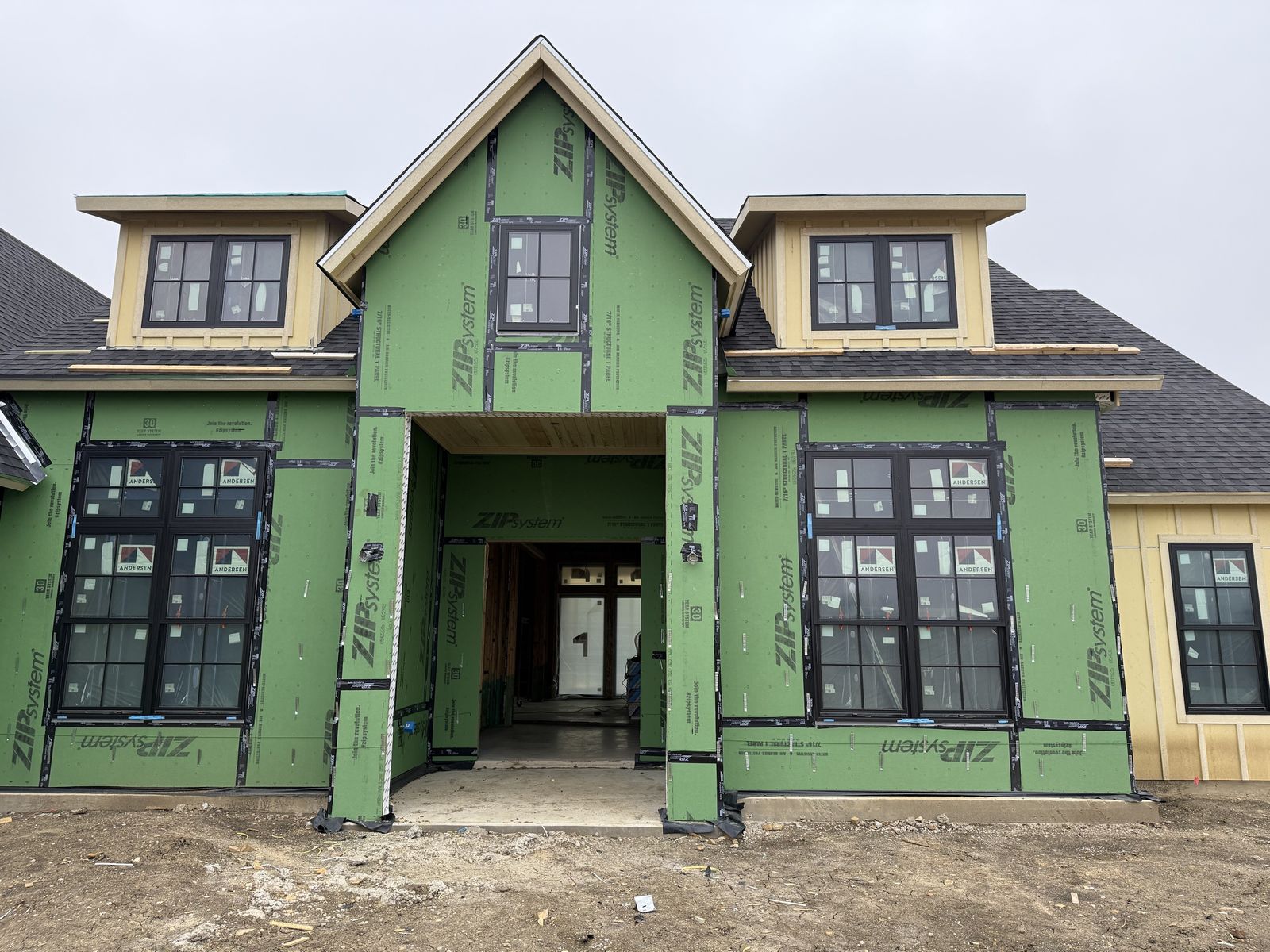
A custom build runs on two clocks. The first is design: floor plan, engineering, the soil report, selections, pricing, and permits. That work happens before anyone breaks ground, and it moves as fast as the decisions do. The second clock is construction. According to the National Association of Home Builders' analysis of 2025 Census data, homes built by a hired contractor on the owner's land took about 11.7 months on average from permit to completion. Homes built for sale took about 7.4 months. Larger, more detailed homes, like most in this corridor, tend to sit at the longer end.
So a custom home is commonly more than a year from first meeting to move-in, once you count design. Weather, inspections, and late selection changes can push that further. Our North DFW cost guide recommends building a 20 to 30 percent buffer into any construction schedule, and we stand by that.
Ask yourself: Do you have to be out of your current home by a certain date? A lease ending, a job starting, a school year? If the date can't move, a spec home or one already under construction takes the biggest unknown off the table.
Budget: One Number vs. a Stack of Line Items
Comparing a spec price to a custom “price per square foot” is the most common mistake we see, because they aren't measuring the same thing.
A spec home's price is all-in: land, site work, foundation, house, finishes, and the builder's margin. What you see is what you pay, plus normal closing costs.
A custom budget is built from separate pieces, and each one has to be priced:
- The lot, if you don't already own it.
- Site work: clearing, grading, drainage, utilities, driveway, and the engineered foundation North Texas clay calls for.
- Construction: the house itself, usually the number people quote per square foot.
- Soft costs: design, engineering, surveys, permits, and construction-loan interest.
- Your choices: allowances, upgrades, and any changes after you sign.
None of that is a reason to avoid building custom. It's a reason to price every piece before you commit. The cost guide breaks down current ranges, and how you sign up for the build matters too. Our guide to fixed-price vs. cost-plus contracts covers who carries the overruns under each.
| Spec Home | Custom Build | |
|---|---|---|
| Time to move in | Weeks | Often 12+ months |
| Price | One all-in number | Lot + site + build + soft costs |
| Financing | Regular mortgage | Construction loan |
| Your decisions | Few | Hundreds |
| Who carries build risk | Builder | Mostly you |
Financing Works Differently
Buying a finished spec home is financed like any other house. You get a mortgage (often a jumbo loan at this price range), the lender appraises a finished home, and you close. You make no payments while it's being built, because the builder already paid for that.
A custom build usually takes a construction loan. The lender doesn't hand over the whole amount at once. It pays the builder in stages, called draws, as the work hits milestones like foundation and framing, often after an inspection. A few things to know going in:
- Payments during the build. Construction loans commonly carry interest-only payments while the house is going up. If you're also paying rent or a current mortgage, you're carrying two housing costs for months.
- One closing or two. A one-time close rolls the construction loan and the permanent mortgage into one loan with one closing. A two-time close uses a short-term construction loan, then a separate mortgage once the house is finished. The second option means another closing, but it lets you shop for the permanent rate later.
- Down payment. Requirements vary by lender and program, but plan for a meaningful down payment, often around 20 percent of the total project at this level. If you already own your lot, the equity in it may count toward that.
Talk to a lender who does construction loans regularly before you design anything. The loan amount you qualify for should shape the plan, not the other way around.
Control: Making the Decisions vs. Seeing Them Made
A custom home gives you the say on almost everything: the lot, where the house sits on it, the floor plan, ceiling heights, window placement, cabinet layout, tile, hardware, lighting. If you've lived in enough houses to know exactly how you want the next one to work, that control is worth the wait.
It's also a lot of decisions, and they come on a schedule. Selections that run late hold up trades, and changes after framing cost far more than changes on paper. Some buyers love that process. Others find out halfway through that they'd rather have walked into a finished house.
A spec home flips that. The decisions are already made, and you can judge them in person. You can stand in the kitchen at 5 p.m., open the pantry, and see how the light comes through the windows, instead of picturing it from a drawing. If what you see fits how you live, you've skipped a year of choices.
Who Carries the Risk
On a spec home, the builder carries the cost of construction, the interest, and the risk that something runs long or over budget. You're buying a finished product you can inspect.
On a custom build, more of that risk shifts to you. How much depends on the contract, but schedule delays, selection overruns, and site surprises tend to land on the owner. That's why the soil report, a detailed budget, and a clear contract matter so much on a custom home.
Whichever you choose, a few Texas-specific points are worth knowing:
- The contract may not be a standard form. The Texas Real Estate Commission publishes new-home contracts for completed construction and for homes still under construction, but builders aren't required to use them. Many use their own. Read it closely, and have a Texas real estate attorney look at it.
- Get inspection rights in writing. On a home bought during construction, ask for the right to bring your own inspector before drywall and again before closing. On a finished spec home, a full inspection before you close is still worth every dollar.
- Get the warranty in writing. Know what's covered, for how long, and how to file a claim before the first deadline passes.
- Homestead rules apply to custom builds. If you're building your homestead, Texas has specific signing and filing rules for the construction contract. Our contracts guide walks through them.
This is general information, not legal or financial advice. Have your attorney and lender review the specifics.
“The best choice isn't spec or custom. It's the one that fits the date you need to move and the amount of the house you want to decide yourself.”
The Middle Ground
It doesn't have to be all or nothing. Two in-between options are worth asking about:
- Buying a spec home under construction. Catch one early enough and some builders will let you make certain selections, like paint, lighting, or flooring, before those trades get there. How much you can change depends on how far along the house is and what the builder agrees to in writing.
- Building on a builder's lot. Some builders own lots they'll build on for a buyer. You skip the land search, and the builder often already knows the site.
We have one of those right now. The lot next door to 2608 Southbay in Hawthorne Estates is available as a build-to-suit on your timeline. Bring a plan or we'll design one together. If no buyer claims it, a new Sandlin Signature spec home is in the works there. Same lot, either path.
So Which One Fits You?
A spec home usually fits if:
- You need to move within a few months, or by a fixed date.
- You'd rather judge a finished house than a set of drawings.
- You want one price and a standard mortgage, with no construction loan or draws.
- The location and the school district matter more than designing every room.
A custom build usually fits if:
- You already own land, or you've found the lot you want.
- You have specific needs a finished house won't meet: a floor plan, a shop, a guest suite, a way the house has to sit on the land.
- You have time, and you're ready to make decisions on a schedule.
- You're comfortable with a construction loan and carrying costs during the build.
If you're leaning custom, start with the land. Our Northlake and Argyle building guide covers what to check on a lot before you buy it, and our 25 questions to ask a builder will help you compare the people who'll build it.
How We Build Both
Our spec homes and our custom homes come from the same crews and the same standard. The foundation is designed and stamped by a licensed engineer, and an independent third-party engineer inspects the slab before every pour. We build with our own vetted trades, keep supervision consistent, and stand behind the home long after closing.
On a custom home, we start with a conversation about your lot, your plan, and your budget, then work through floor plans and selections together. On a spec home, we've made those calls for you, and you can walk through and judge them yourself. As of this writing, 2608 Southbay Circle is move-in ready in Hawthorne Estates, zoned to Argyle ISD, listed at $1,575,000.